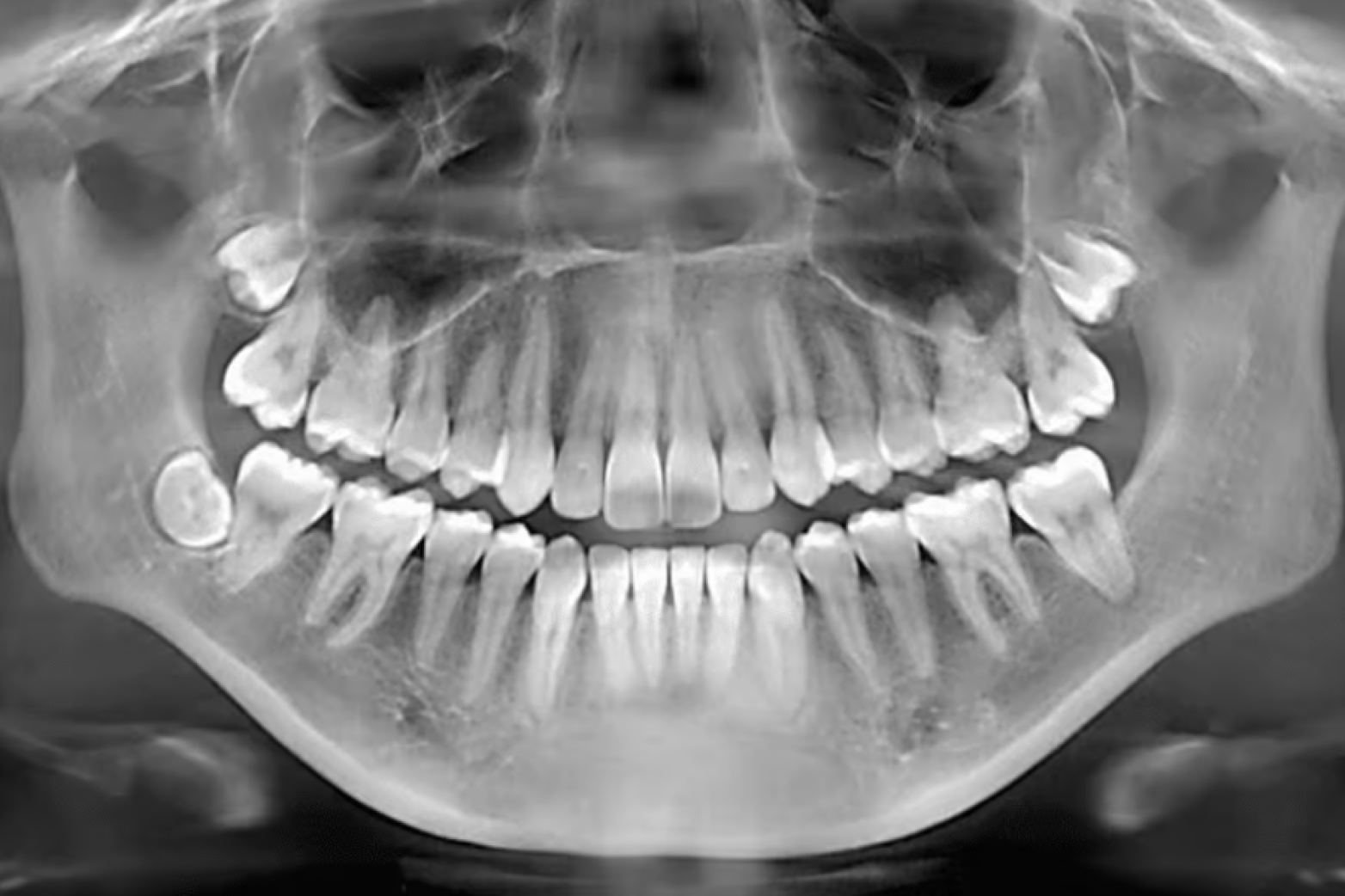
During a dental visit, you may sometimes be asked to take dental X-rays. Many people wonder why these images are necessary when the dentist can already see their teeth. But the truth is that a visual examination only shows a part of what is happening in your mouth.
Dental X-rays help reveal problems that cannot be seen with the naked eye. They allow dentists to look inside the teeth, below the gums, and around the jawbone. These images help detect issues early before they become serious.
Understanding what dental X-rays actually reveal about your oral health can help you appreciate why they are an important part of modern dental care.
Your mouth has many areas that are hidden during a regular dental check-up. The spaces between teeth, the roots beneath the gums, and the bone that supports your teeth cannot be fully examined without imaging.
Dental X-rays create detailed pictures of these areas. They help dentists identify small problems before symptoms appear.
Early detection often means simpler treatment. A small cavity can be treated quickly. A hidden infection can be addressed before it spreads.
Without X-rays, some dental issues may remain unnoticed until they cause pain or visible damage.
One of the most common uses of dental X-rays is to detect cavities that form between teeth.
These cavities are often difficult to see during a normal exam. Even careful inspection may not reveal them because they develop in tight spaces.
X-rays allow dentists to see these areas clearly. Dark spots on the image may indicate tooth decay between teeth.
Finding these cavities early helps prevent further damage to the enamel and dentin. Treatment becomes easier and less invasive when decay is detected at an early stage.
Healthy teeth depend on strong bone support. The jawbone holds the tooth roots in place and keeps them stable.
Dental X-rays help measure the level of bone around each tooth. If bone loss begins, it may be a sign of gum disease.
Early bone loss is not always visible during a normal examination. But X-rays can reveal subtle changes in bone levels.
Detecting bone loss early allows dentists to recommend treatments that protect the supporting structures of the teeth.
Sometimes an infection develops at the tip of a tooth root. This condition is often called a dental abscess.
The infection may not always cause obvious symptoms in the beginning. But it can slowly damage the surrounding bone.
Dental X-rays can reveal dark areas around the tooth root. These areas often indicate infection or inflammation.
Once detected, the dentist can recommend appropriate treatment such as root canal therapy to remove the infection and save the tooth.
Dental X-rays are also useful for tracking how teeth develop over time.
In children and teenagers, X-rays show how permanent teeth are forming beneath the gums. They help dentists monitor whether teeth are developing normally.
Sometimes teeth may grow in the wrong direction or remain trapped under the gums. These are known as impacted teeth.
Early detection allows dentists to plan orthodontic treatment or other interventions before complications arise.
Wisdom teeth often develop later in life. In many cases, they do not have enough space to grow properly.
Dental X-rays show the exact position of wisdom teeth within the jaw. They help dentists determine whether the teeth are growing normally or becoming impacted.
Impacted wisdom teeth can cause pain, infection, or damage to neighbouring teeth.
X-rays help dentists decide whether monitoring or removal is the best option.
Some tooth cracks are difficult to see during a clinical exam. They may develop below the gum line or inside the tooth structure.
Dental X-rays help identify structural changes around a tooth that may suggest hidden cracks.
Although very small cracks may not always appear clearly on X-rays, these images can still provide important clues.
When combined with other examinations, X-rays help dentists diagnose structural problems more accurately.
If you have dental fillings, crowns, or bridges, X-rays help dentists evaluate their condition.
Over time, decay can sometimes develop underneath restorations. This is difficult to detect during a visual exam.
Dental X-rays allow dentists to check whether the tooth beneath the restoration remains healthy.
They also help assess whether restorations fit properly and whether surrounding structures are stable.
Dental X-rays provide important information about the jawbone itself.
Certain conditions can affect bone density and structure. Dentists use X-rays to examine the shape and health of the jaw.
These images also help evaluate areas before procedures like dental implants. The dentist can check whether enough bone is present to support the implant.
This information helps ensure safe and successful treatment planning.
Many people worry about radiation exposure during dental X-rays. Modern dental imaging uses very low levels of radiation.
Digital X-ray technology has reduced radiation exposure even further. Protective measures such as lead aprons are also used to minimise risk.
For most patients, the benefits of early diagnosis greatly outweigh the minimal exposure involved.
Dentists also follow strict guidelines on how often X-rays should be taken. They recommend imaging only when it is necessary for diagnosis or treatment planning.
The frequency of dental X-rays depends on several factors. These include your age, oral health history, and risk of dental disease.
Patients with good oral health may need X-rays less often. Those with frequent cavities or gum disease may require them more regularly.
Children and teenagers may also need X-rays periodically to monitor tooth development.
Your dentist will determine the most appropriate schedule based on your individual needs.
Dental X-rays play an important role in protecting your oral health. They allow dentists to see areas that cannot be examined during a regular check-up. These images help detect hidden cavities, infections, bone loss, and developmental issues early.
Early diagnosis often leads to simpler and more effective treatment. It also helps prevent small problems from becoming major dental concerns.
Regular dental examinations combined with dental X-rays, preventive dental care, cavity detection, and gum disease evaluation help ensure that your teeth and supporting structures remain healthy for years to come.
Back to Blog



Your foundation for a lifetime of healthy smiles. We offer comprehensive care to keep your teeth and gums in top condition, ensuring lasting oral health.
Learn More


Your foundation for a lifetime of healthy smiles. We offer comprehensive care to keep your teeth and gums in top condition, ensuring lasting oral health.
Learn More