Many people notice a small dental problem and hope it will disappear on its own. Maybe it is a mild toothache. Maybe a little gum bleeding. Sometimes it is a tiny dark spot on a tooth. It feels easy to ignore it and wait. You may even think the body will heal it naturally.
But dental health works differently from many other parts of the body. Teeth cannot repair themselves once damage goes beyond a certain point. Gums can recover in early stages, but only if proper care begins quickly.
So, can dental issues fix themselves over time? The short answer is that most dental problems do not heal on their own. Some may improve temporarily, but the underlying cause often remains. Let us look at the truth behind common dental issues, so you know when action is needed.
Your body can heal cuts and bruises. Skin regenerates. Bones repair themselves. Teeth are different because they are not living tissues in the same way.
The outer layer of the tooth is called enamel. Enamel is the hardest substance in the human body. But once it breaks or decays, it cannot regenerate. The body cannot grow new enamel naturally.
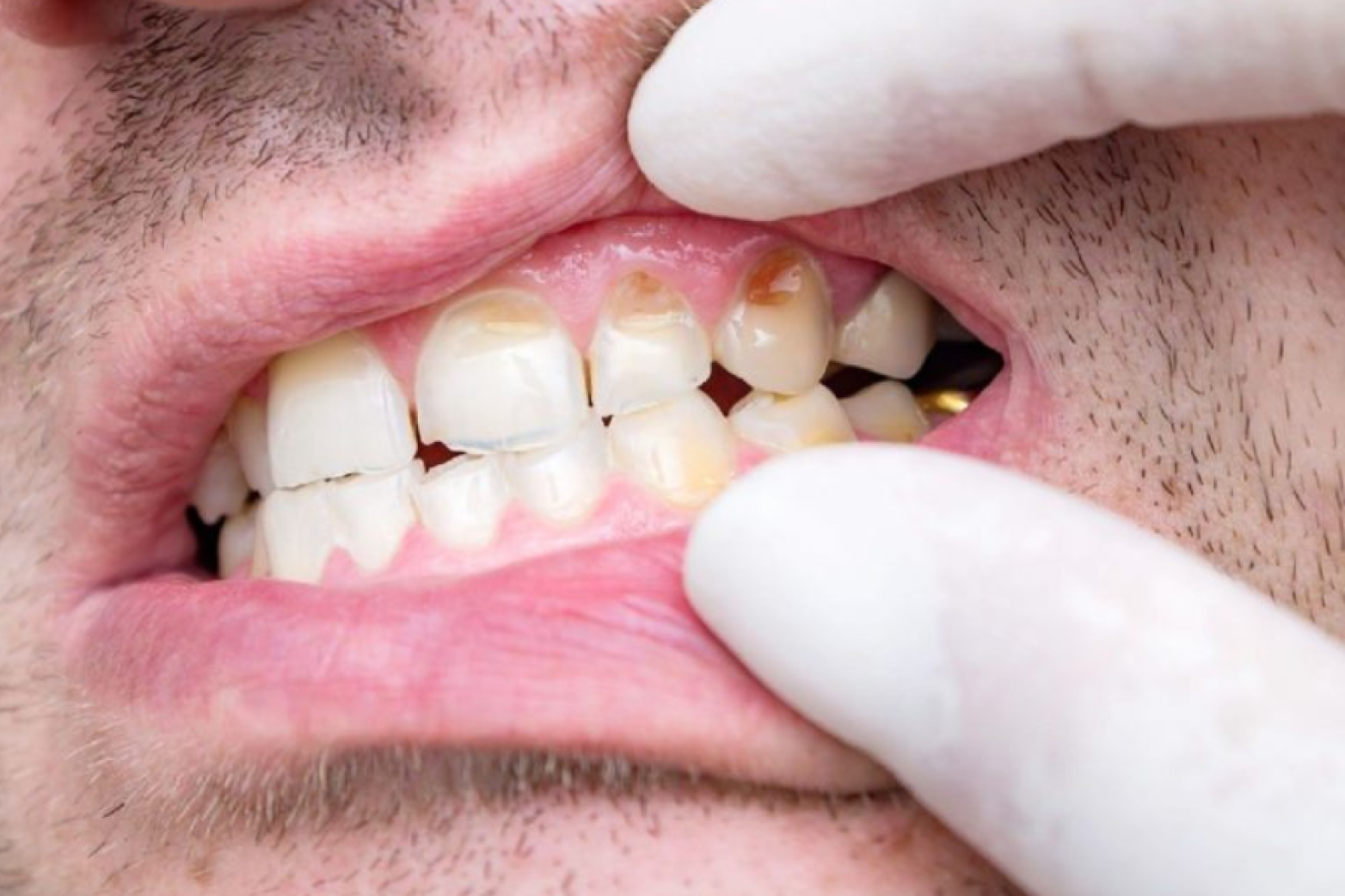
This means a cavity, crack, or fracture will not disappear on its own. Without treatment, the damage slowly becomes worse. Early intervention keeps the problem small and manageable.
There is one situation where improvement is possible. Early tooth decay, also called demineralisation, can sometimes be reversed. This stage appears as white spots on the enamel.
At this point, the enamel has weakened but has not yet formed a cavity. If you improve oral hygiene and use fluoride toothpaste, minerals can return to the enamel surface.
Saliva also plays a role in this repair process. Drinking water and reducing sugar intake help the enamel regain strength.
However, once a cavity forms, the tooth cannot repair itself. The damaged part must be treated with a filling.
Sometimes tooth pain disappears after a few days. This can make people believe the issue has healed. In reality, the infection or damage may still be present.
Pain often reduces when the nerve inside the tooth becomes less active. But this does not mean the problem has gone away. The infection may continue to spread deeper into the tooth or surrounding bone.
Ignoring tooth pain can lead to serious complications later. Treatment becomes more complex if the infection spreads.
Gum health is slightly different from tooth health. Early gum inflammation, called gingivitis, can improve with proper care.
If you start brushing properly, floss daily, and remove plaque buildup, gums can return to a healthy state. Bleeding and swelling may reduce within days or weeks.
But if gum disease progresses into periodontitis, the situation changes. This stage affects the supporting structure of the teeth. Bone loss may begin. At this point, professional treatment becomes necessary.
Waiting too long can lead to loose teeth or tooth loss.
A cracked or chipped tooth cannot repair itself. The enamel will not grow back. Small chips may not cause pain, but they still weaken the tooth.
Over time, cracks can expand due to chewing pressure. This may lead to sensitivity, pain, or deeper fractures.
Dentists often repair chips using bonding or crowns. These treatments restore the tooth’s strength and prevent further damage.
Many dental issues seem to improve for a short time. This can be misleading. Pain may reduce because:
But the root cause often remains untreated. Bacteria continue damaging the tooth or gums.
This is why regular dental examinations are important. Dentists can detect problems long before they become painful.
Small dental issues usually require simple treatment. A minor cavity may need a quick filling. Early gum inflammation may improve with cleaning.
But if you wait too long, the situation changes. A small cavity can reach the tooth pulp. This may require root canal treatment. Gum disease may lead to bone damage.
Treatment becomes more complex, more time-consuming, and sometimes more costly. Early care protects both your teeth and your comfort.
Not every dental issue requires immediate treatment. Some conditions simply need observation. For example:
Your dentist may recommend monitoring these areas during regular check-ups. Preventive care helps ensure the issue does not progress.
However, self-diagnosis is risky. What appears small to you may already require treatment.
Certain symptoms should always be checked by a dental professional. These include:
These signs often indicate underlying problems that will not resolve naturally.
The best way to avoid major dental problems is prevention. Good daily habits protect your teeth and gums from damage.
Brush twice a day using fluoride toothpaste. Floss once daily. Drink water regularly and limit sugary snacks. Regular dental visits help detect issues early before they become serious.
Small efforts every day make a big difference over time.
Most dental issues do not resolve on their own. Teeth cannot regenerate enamel, and infections rarely disappear without treatment. Some early conditions may improve with proper oral care, but waiting too long often makes problems worse. Listening to early warning signs is the key to protecting your smile. If you notice discomfort, sensitivity, or visible changes in your teeth or gums, it is wise to seek professional advice. Timely care, such as cavity treatment, preventive dentistry, and routine dental check-ups, can stop small problems from turning into major ones.
Back to Blog



Your foundation for a lifetime of healthy smiles. We offer comprehensive care to keep your teeth and gums in top condition, ensuring lasting oral health.
Learn More


Your foundation for a lifetime of healthy smiles. We offer comprehensive care to keep your teeth and gums in top condition, ensuring lasting oral health.
Learn More